In This Article
In 25+ years of building products, I have watched every tool, framework, and methodology in my toolkit get replaced at least once. What has never changed are the three qualities that separated the great product people from the rest: curiosity, openness, and humility.
From Contest Winner to Industry Veteran
Back in my university days, winning entrepreneurship contests felt like conquering the world. My diverse, motivated teams would pitch to investors, validate ideas with customers, and explore every possible path to make our concepts reality. While those businesses never materialized, they taught me something profound: anything was possible if you had the right mindset, skills, access, and team.
Fast forward through decades of startup launches, corporate transformations, and everything in between. I've been the first product manager hired at multiple companies, used startup grit to outperform corporate-raised PMs in Fortune 500 environments, and consistently delivered 2-3x more features and experiments than my peers.
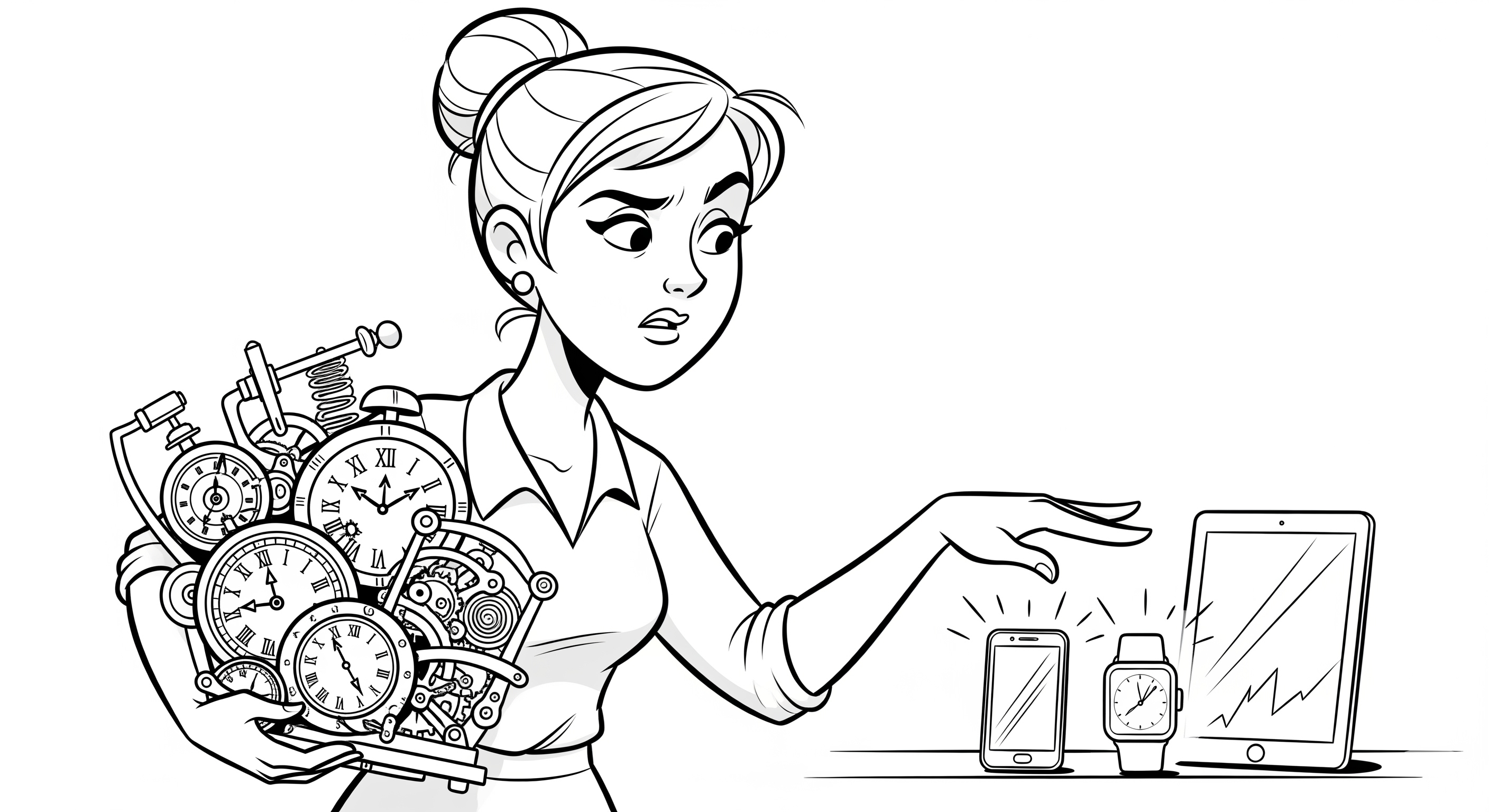
The tools I use today would seem like magic to that contest winner decades ago. Yet the core qualities that made those early teams successful remain exactly the same: curiosity, openness, and humility.
Curiosity keeps me at the industry's edge. Openness ensures I learn from everyone I meet. Humility keeps me young at heart, avoiding phrases like "We tried that before" or "That will never work."
The Skills Evolution Matrix
Curiosity, openness, and humility are the engine -- but they need somewhere to go. Over the years I have watched the specific skills they drive evolve in three distinct layers: a timeless core that never changes, fundamentals that have transformed in how they are applied, and entirely new essentials that did not exist a decade ago.
Timeless Core
Some skills never go out of style. Customer empathy -- understanding human needs and motivations -- remains the cornerstone. The products that succeeded in my career always solved real problems in ways that felt natural. Strategic thinking -- seeing patterns and aligning short-term actions with long-term vision -- only gets more valuable as change accelerates. And systems thinking -- understanding how components interconnect -- lets you quickly grasp where new technologies fit.
Evolved Fundamentals
Core skills have transformed in how they're applied. Data analysis has become AI-assisted analytics -- running SQL queries once made you data-driven, but now you need to interpret machine learning outputs and predictive models. Communication has become global digital leadership -- no more gathering everyone in a conference room when your team spans multiple time zones. And technical understanding has evolved into platform thinking -- grasping ecosystems, API economies, and how technologies integrate to create customer experiences.
Emerging Essentials
New skills have become table stakes. AI collaboration -- learning to work with AI tools rather than compete with them -- accelerates research and hypothesis generation. Scenario planning -- developing adaptive strategies for multiple possible futures rather than detailed long-term plans. And cross-industry pattern recognition -- identifying successful patterns in adjacent industries and adapting them to your context.
The Constant Through All Change
Throughout all this evolution, two mindsets have proven most valuable: test-driven thinking and assuming positive intent.
Test-driven thinking means you experiment your way to greatness rather than debating your way to consensus. Instead of spending weeks discussing whether a feature will work, you build quick tests to validate assumptions with real customer behavior.
Assuming positive intent helps you bypass political nonsense to really understand people's motivations. When a stakeholder pushes for a feature you think is wrong, assuming they have good reasons leads to productive conversations about underlying objectives.
These mindsets work whether you're validating a startup idea with limited resources or negotiating enterprise software requirements with multiple stakeholders.
The tools will keep changing. The frameworks will keep being reinvented. But if you stay curious enough to explore them, open enough to let them reshape your thinking, and humble enough to admit when the old way no longer works -- you will keep evolving right alongside them.

Nathan Rohm
Product Leadership & Innovation Expert
Nathan Rohm is a product leader with 25+ years of experience transforming organizations through strategic innovation. He has scaled products from $5M to $150M, achieved 2,000% growth rates, and built teams that deliver results across startups and Fortune 500 companies.
Get in Touch